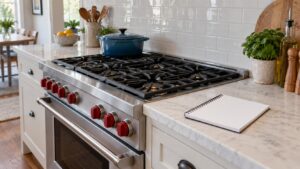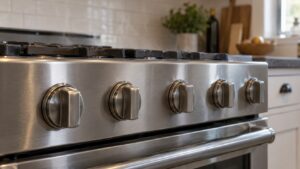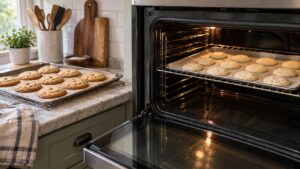
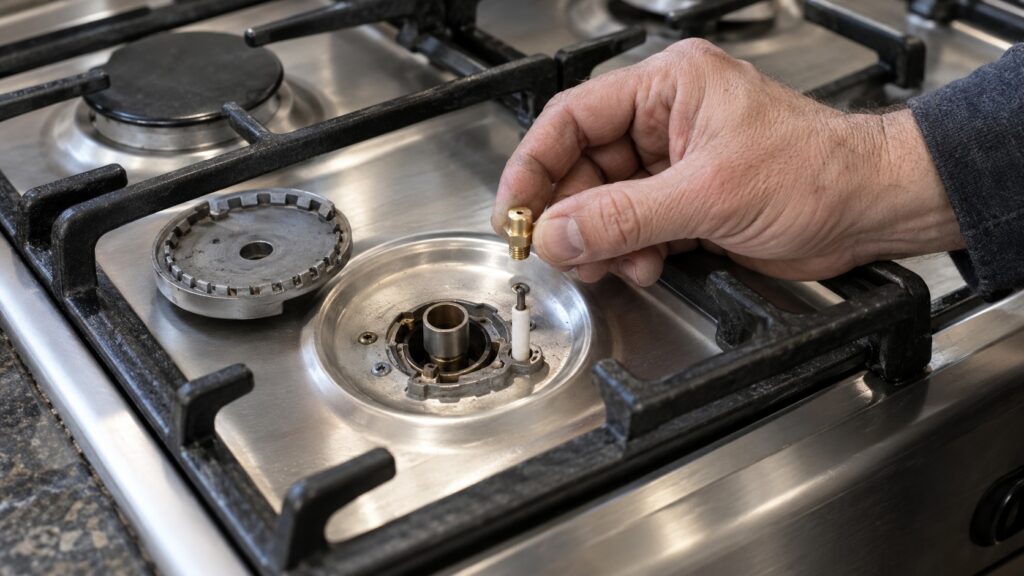
A Bertazzoni propane conversion changes a natural gas range or dual fuel range to run on propane by swapping the small orifices on every burner, setting the pressure regulator for propane, adjusting the low flame, and then testing every joint and flame. The parts and the procedure come from the manual and conversion kit for your exact model, and the work belongs to a qualified, licensed gas technician. This article explains what the job involves so you can plan it, ask the right questions and recognize a conversion that was done properly.
Why does a range need a propane conversion?
Natural gas and propane burn differently. They arrive at different pressures and need different amounts of fuel and air to make a clean blue flame. A range built for one will give a poor, sooty or unsafe flame on the other unless it is converted. Most gas and dual fuel ranges are supplied set up for natural gas, and the manufacturer provides a conversion kit and instructions for propane. Check the instructions that came with your Bertazzoni for the correct kit, since the right parts depend on the model.
Because the fuel is the first thing a technician needs to know, give them the full model number and tell them which fuel the house uses. Our Bertazzoni model number decoder shows how to tell a gas or dual-fuel range from an induction one, and the model plate carries the fuel setup the range left the factory with.
What does the conversion kit actually change?
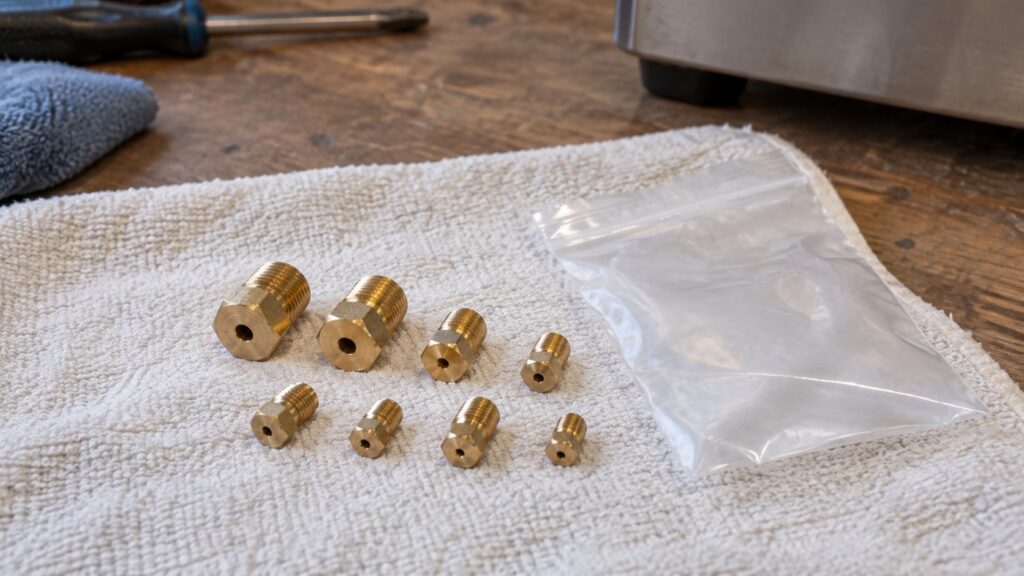
The kit centers on the orifices, small brass fittings that meter gas into each burner. Propane needs smaller openings than natural gas, so each surface burner gets a new orifice sized for propane. The oven burner gets the same treatment. The pressure regulator at the range, or its internal setting, is changed to deliver propane at the pressure the appliance expects. Finally, the minimum flame is adjusted at each valve so the burners hold a small, stable flame on low rather than going out.
Each of those steps affects safety, which is why it is not a casual job. Fitting the wrong orifice, leaving the regulator on the old setting or skipping the low-flame adjustment can all produce flames that lift, flash back or burn yellow. A technician will check the sizes against the chart in your manual instead of guessing. If you want a primer on the vocabulary, our Bertazzoni range terms glossary defines the fuel and burner words.
What should be checked on the supply side?
The range is only one end of the system. With propane, there is a tank or a delivery system with its own regulator, and the pressure it delivers has to be right for the range. If you are on a tank, confirm with your propane supplier who is responsible for the regulator, and mention that a range is being converted. A shutoff valve should be reachable near the range, and the flexible connector should be approved and in good condition. If any of those parts are old, replace them as part of the job.
Our Bertazzoni range installation checks and the guide to anti-tip hardware and clearances cover the other half of the installation. Do both at the same visit if the range is new. Keep the paperwork from the conversion with your manual, because it is the first thing anyone will ask for if the range changes hands or needs service later.
How can you tell the conversion was done properly?
Every burner should light promptly and burn with a steady flame that is mostly blue, with no yellow tips and no flame lifting off the ports. Turning a burner down to low should leave a small, stable flame that does not go out when the oven door closes or a cabinet door slams. The oven should light and hold temperature normally, without delay or smell. And the technician should have performed a leak test on every joint, with soapy water or a detector, and left a label on the range recording the conversion.
If something looks wrong afterward, do not live with it. A yellow or weak flame is covered on our symptom page for weak or yellow flames, and a burner that will not light has its own page for a burner that will not ignite. Both are common after a fuel mismatch.
What if the oven does not work after the conversion?
A dual fuel range keeps an electric oven, so an oven that fails after a gas conversion is more often a wiring, power or sensor problem than a fuel one, and a technician can separate the two quickly. If the range is gas throughout, the oven burner orifice and the regulator are the first places to look. A person who converted the range and then lost the oven should return to the person who did the work, or book a diagnosis. Our guide to dual fuel range faults, top versus oven explains how to tell which side is at fault.
If you smell gas at any point, leave the house and call your gas supplier from outside. Do not use switches, phones or flames inside until the smell is gone.