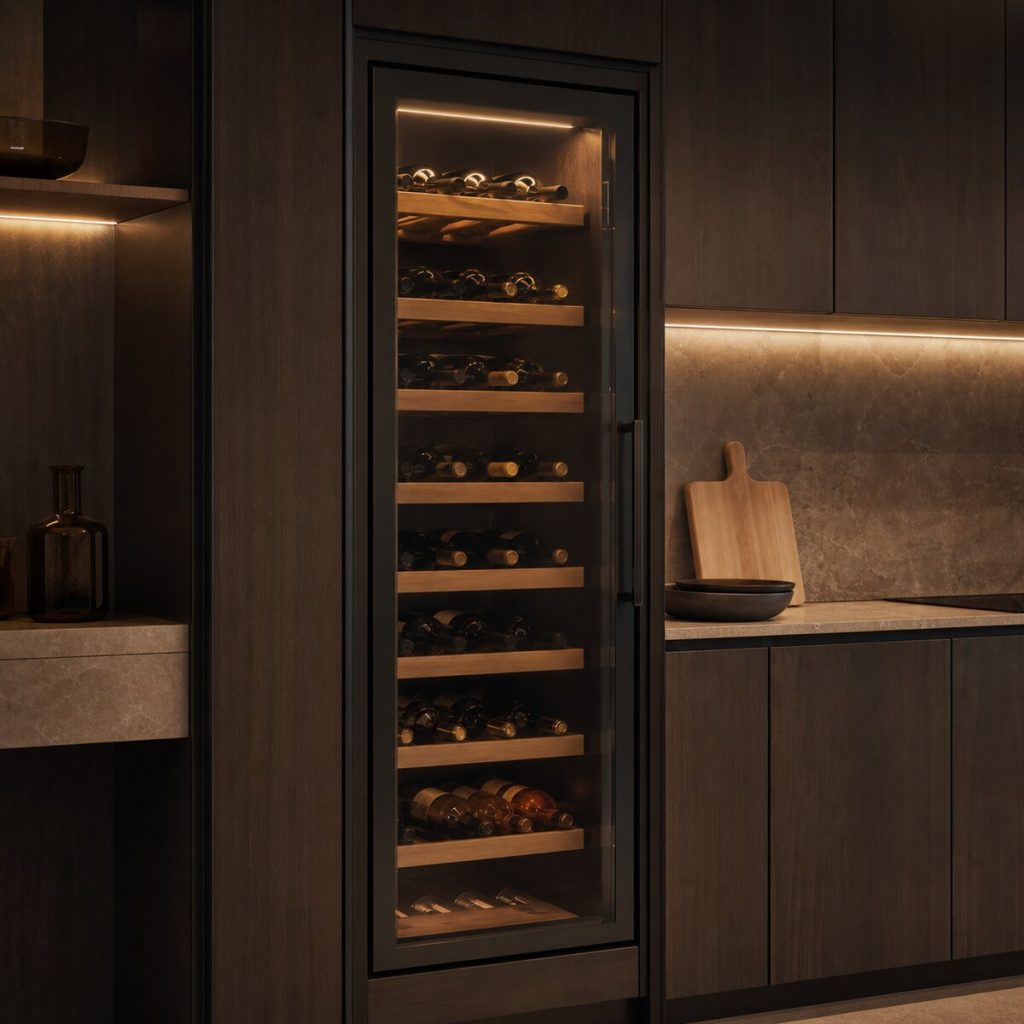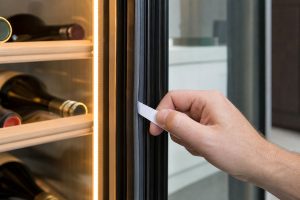
Reports of Condensation on Glass on a wine cooler point to a condition rather than a fault code. Write down Condensation on Glass as behavior first, then confirm any on-screen code separately. The point of this page is to keep Condensation on Glass and literal codes in different lanes. Once Condensation on Glass is described accurately, choosing the next step becomes much clearer.
Symptom or fault code on your wine cooler
Before acting, decide whether Condensation on Glass is a real symptom or an actual code on the wine cooler. Sorting Condensation on Glass into the right bucket keeps your wine cooler notes accurate and usable. The short list below helps you place Condensation on Glass correctly before anything else. A clear label for Condensation on Glass keeps the whole workflow on track.
- Symptom: Condensation on Glass with no code shown.
- Code: a repeatable letter or number.
- Status prompt: lock, filter, or door reminder.
- Safety event: smoke, sparking, flooding, gas odor.
Build a timeline for Condensation on Glass
Track Condensation on Glass across a full cycle so the wine cooler behavior behind it emerges. Write down the mode, zone, or stage running when Condensation on Glass showed up. Timing Condensation on Glass instead of guessing gives the wine cooler history real structure. Patterns you might miss in the moment show up when Condensation on Glass is logged.
- Note Condensation on Glass alongside temperature fluctuation.
- Note Condensation on Glass alongside compressor running patterns.
- Note Condensation on Glass alongside fan noise.
- Note Condensation on Glass alongside glass condensation.
- Note Condensation on Glass alongside door alarms.
Common causes behind Condensation on Glass on a wine cooler
These are the typical culprits when a wine cooler develops Condensation on Glass. Any of them can be responsible for Condensation on Glass, though symptoms overlap. Pinpointing the cause of Condensation on Glass is a job for measured diagnosis. Think of them as leads to check, not verdicts about Condensation on Glass.
- Compressor or thermoelectric module fault.
- Condenser or evaporator fan failure.
- Thermostat or control-board drift.
- Door seal or hinge leak.
- Blocked vents or overloading.
Safe checks before you call
Read the wine cooler user guide before changing settings in response to Condensation on Glass. Keep hands off pressurized fittings and junction boxes while Condensation on Glass is active. A single manual-approved reset is acceptable when Condensation on Glass carries no safety warning. Should Condensation on Glass persist, model-specific testing is the appropriate next step.
When Condensation on Glass needs a technician
Call a qualified technician when Condensation on Glass continues after documented checks on the wine cooler. Escalate Condensation on Glass sooner if it involves heat, water, gas, or breaker trips. Before scheduling, gather the model, serial, and a display photo tied to Condensation on Glass. A short video of Condensation on Glass helps when sound or intermittent behavior matters.
What to record before requesting Condensation on Glass service
Prepare a clear account of Condensation on Glass so nothing important is forgotten later. Include the model, serial, and how the wine cooler behaved when Condensation on Glass began. A tidy record of Condensation on Glass respects both your time and the technician’s.
- Exact model and serial number.
- Display photo kept separate from behavior.
- Operating mode, cycle, or zone.
- Elapsed time and whether intermittent.
- Safe checks already completed.
- ZIP code and access notes.
How a technician diagnoses Condensation on Glass
Diagnosing Condensation on Glass starts with recreating the condition under controlled settings. A technician isolates Condensation on Glass to wiring, a sensor, a valve, or a board. Only measured values confirm the cause of Condensation on Glass. This is why guessing at parts rarely resolves Condensation on Glass for good.
- Reproduce the reported condition safely.
- Confirm exact model and revision.
- Inspect wiring, connections, and seals.
- Measure voltages, sensors, or resistances.
- Check each part against measured values.
- Propose a repair from the findings.
Wine Cooler manual and related resources
Match Condensation on Glass to your model’s guidance through the official Bertazzoni wine cooler catalogue. The catalogue is a route to documentation, not a guarantee about Condensation on Glass. Product pages inform, but they cannot confirm Condensation on Glass on your unit.
Continue with the Wine Cooler resource hub, compare the Bertazzoni model directory, or submit details through the Wine Cooler service page.
This Condensation on Glass resource is independent and focused on out-of-warranty diagnosis and service prep. Should Condensation on Glass fall under active warranty, use the official channel in the wine cooler manual. Our only aim is to make Condensation on Glass easier to resolve.