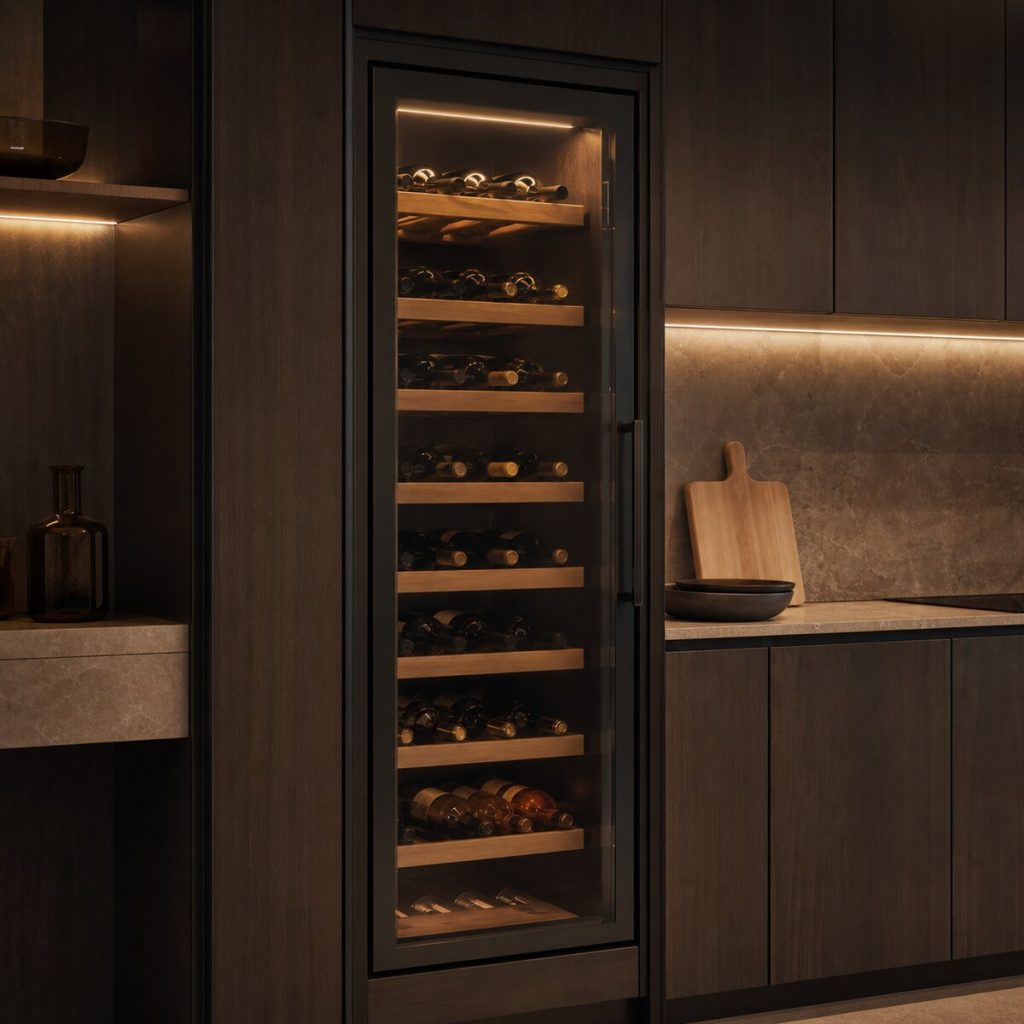
This wine cooler resource hub gathers model records, verified display codes, observed-symptom guides, and safe owner checks in one place. Start with the exact wine cooler model, since visually similar units can use different controls and diagnostic logic. Document how the wine cooler behaves before comparing possible causes so the record stays grounded in what actually happened.
What this Wine Cooler hub covers
This wine cooler hub covers three things: identifying the model, reading the display correctly, and organizing the symptom record. For a wine cooler, that means linking the rating label to documentation and separating literal codes from described behavior. The hub connects wine cooler symptom guides, code references, and the model directory in one navigable place. It supports research into a wine cooler without claiming that one explanation fits every unit.
Common Wine Cooler problems and causes
These are the wine cooler problems that recur across owner reports, meaningful only with model and display context. A single wine cooler symptom can have several explanations, so each is a direction for diagnosis.
- Temperature fluctuation.
- Compressor running patterns.
- Fan noise.
- Glass condensation.
- Door alarms.
The typical wine cooler causes for those symptoms are summarized here as leads to verify.
- Compressor or thermoelectric module fault.
- Condenser or evaporator fan failure.
- Thermostat or control-board drift.
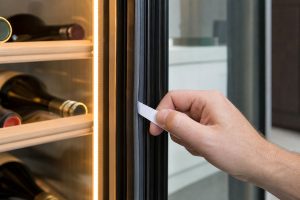
- Door seal or hinge leak.
- Blocked vents or overloading.
Codes versus symptoms for Wine Cooler
A wine cooler symptom describes behavior, while a wine cooler code is the exact text the control shows. Each wine cooler code has to be reproduced precisely and matched to the correct model documentation. That is why wine cooler symptom and code material are labeled and stored separately on this site.
Documenting a Wine Cooler issue
Start a wine cooler record with the model and keep each observation distinct from any assumption. Note the wine cooler display verbatim, the selected cycle, and the moment the symptom first appeared. Track whether the wine cooler fault repeats and what utility or installation changes preceded it. This kind of wine cooler documentation aligns cleanly with the model own references.
- Photograph the model and serial label.
- Copy the exact display or code text.
- Note the selected mode, cycle, or zone.
- State when the symptom first began.
- List only safe manual-approved checks.
- Add the ZIP code and access limits.
When to stop and request Wine Cooler service
Recognizing when to stop is part of documenting a wine cooler responsibly. A wine cooler that sparks, smells of gas, floods, or trips the breaker should be powered off immediately. Owners must avoid opening energized wine cooler compartments or altering gas and safety hardware. After the manual-listed checks, a wine cooler repair is work for a qualified technician.
Why the exact Wine Cooler model matters
For a wine cooler, model-specific detail decides which codes, guides, and parts even apply. Two wine cooler units sharing a look can differ in sensors, motors, and boards. Recording the exact wine cooler model keeps the research honest and repeatable. An uncertain wine cooler model undermines the accuracy the hub is built to provide.
Safe first checks for a Wine Cooler
A short list of safe wine cooler checks can be handled by the owner when nothing hazardous is present. Confirm the wine cooler is powered, the breaker holds, and the controls are free of a lock or setup mode. Where the manual allows, address a blocked wine cooler vent, a dirty filter, or a door that will not seat. Record the wine cooler checks and results so the diagnosis starts from documented facts.
Wine Cooler questions owners ask
How do I identify my wine cooler model?
Every wine cooler carries a rating label with the model and serial number, often on a door edge, frame, or rear panel. Photographing the wine cooler label is the most reliable way to identify the unit. The wine cooler model then determines which codes, guides, and parts actually apply.
Is a wine cooler code the same as a symptom?
No, a wine cooler code is the literal text shown on the display, while a symptom is the observed behavior. A wine cooler code must be read exactly and checked against the model documentation. Keeping wine cooler codes and symptoms separate avoids applying one code to the wrong model.
What should I record before requesting wine cooler service?
Note the wine cooler model and serial, the exact display text, the settings in use, and when the symptom began. Photographs of the wine cooler label and display strengthen the record considerably. A clear wine cooler timeline helps an independent technician verify the cause faster.
Wine Cooler resources and references
Keep exploring the wine cooler with the code, model, and guide links here.
Review documented Wine Cooler error codes, search the Bertazzoni model directory for a matching wine cooler, read the repair guide library, or prepare a request on the Wine Cooler service page.
Confirm current specifications in the official Bertazzoni wine cooler catalogue, and verify warranty eligibility or authorized wine cooler service with Bertazzoni directly.
This hub provides independent wine cooler information and is not Bertazzoni or a claim of factory authorization.