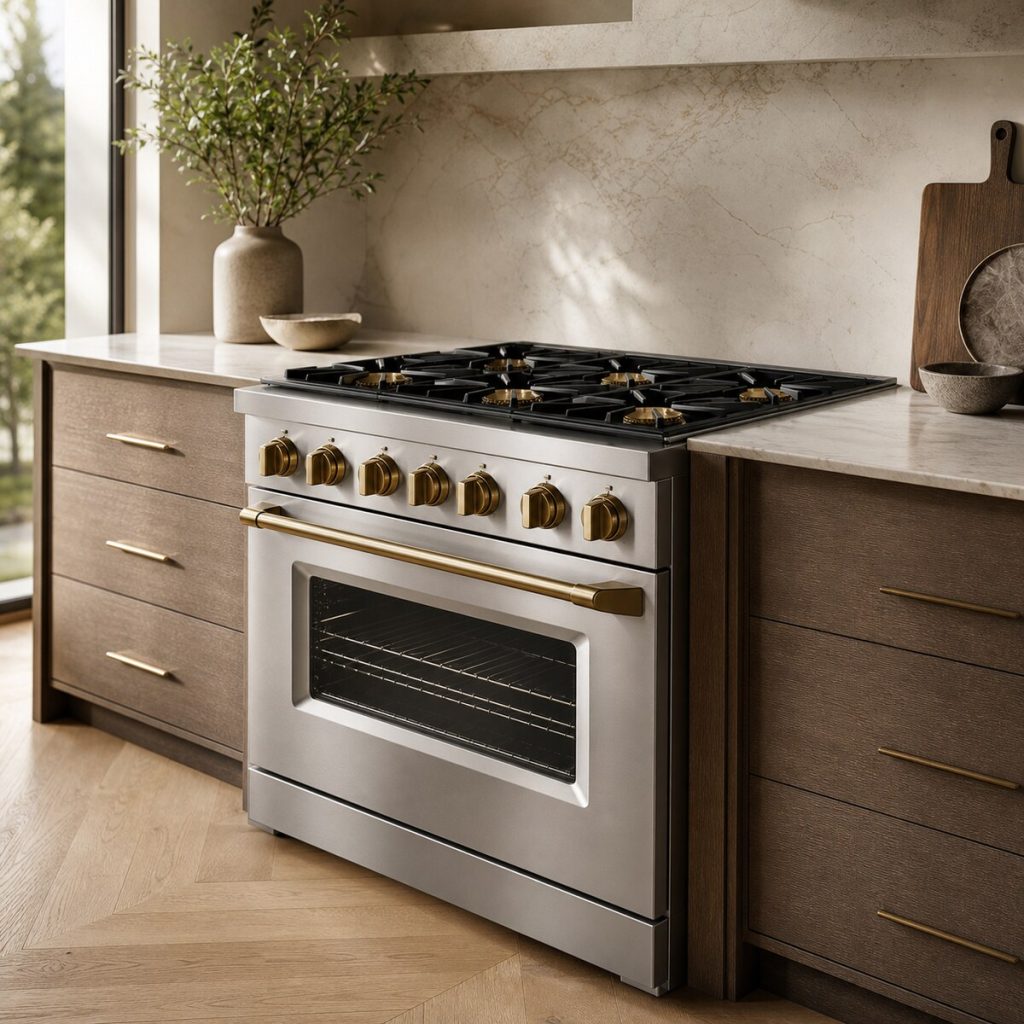
Think of Bertazzoni Range Questions to Ask Before Scheduling Repair as a structured range intake form rather than a fix-it script for the appliance. It helps you capture the right range details the first time, so a diagnosis is faster and far less likely to rely on assumptions. It is deliberately practical, so every range step earns its place.
What range owners can establish here
This range guide helps you tell an operating quirk apart from a fault that will repeat. It ties each range observation to the model, the settings, and the moment it happened. That focus keeps your range notes honest and genuinely useful.
This guide suits any owner who wants to understand a range symptom before spending on a call-out. It is equally useful whether the range is new or has served you for years.
A simple range routine to follow
- Read the range rating label and note the model.
- Write exactly what the appliance did.
- Save a photo of any range message.
- Make one safe, manual-approved adjustment only.
- Keep the full range record in one place.
Resist the urge to try many range fixes at once. A single, controlled range change with a recorded outcome is far more revealing. Careful sequencing is the whole point of the range routine.
Try to capture the conditions around each range test, not just the result itself. Noting the time, the setting, and what you changed turns a range check into real evidence. Over a few attempts, that record often reveals the range pattern on its own. Think of each entry as a small deposit in your range case file. By the end you will have a range account that speaks for itself.
Faults that most often affect a range
This short list covers what usually drives a range to act up. It helps you turn a range symptom into a focused, well-framed report. It helps you point a technician toward the likely range area.
Common range symptoms owners report include no ignition or no pan detection; uneven oven heat; display changes; continuous clicking; door or cooling-fan behavior.
- Weak or dirty surface igniter
- Faulty spark module or electrode
- Bake, broil, or gas-valve fault
- Failed oven temperature sensor
- Control board or wiring fault
Safety first with Bertazzoni Range Questions to Ask Before Scheduling Repair
Put safety first and stop the range for any burning smell, spark, leak, or overheating surface. A range in that state should be isolated, not investigated further by an owner. Gas, refrigerant, and mains-voltage work on the range require a qualified technician. When any of these appear, the safest range move is to stop and call a professional.
What to gather before range service
List the range rating-label data, the approximate age, and the type of installation you have. Then describe the range symptom precisely, including when it starts and how long it lasts. Thorough notes keep the range diagnosis on track.
Controls vary across range generations, so treat this guide as general context and the model manual as the authority. Do not transfer a range reset or error meaning across model families. Let the paperwork, not a lookalike range, guide you.
Simple habits that reduce range problems
A little routine care keeps a range out of the repair queue more often than any single fix. Keep the range clean, follow the manual’s service intervals, and act on small changes before they grow. Most avoidable range calls trace back to skipped, ordinary upkeep. Consistency, not intensity, is what keeps a range healthy.
Documentation and related pages
For deeper reference, pair this range guide with the manufacturer’s own documentation. The links below point to official range resources and to related pages on this site. Use them in any order your range needs suggest.
The official Bertazzoni range catalogue is the best first stop for confirming your range details. For warranty work on a range, contact the manufacturer’s service channel instead of relying on independent guidance.
Continue with the Range resource hub, compare the Bertazzoni model directory, or submit details through the Range service page.
This range guide keeps a clear line between documented manual steps and general context, and it never quotes a flat price or a promised arrival time. It is independent range information rather than manufacturer-authorized instruction. Transparency about range limits is part of the service.