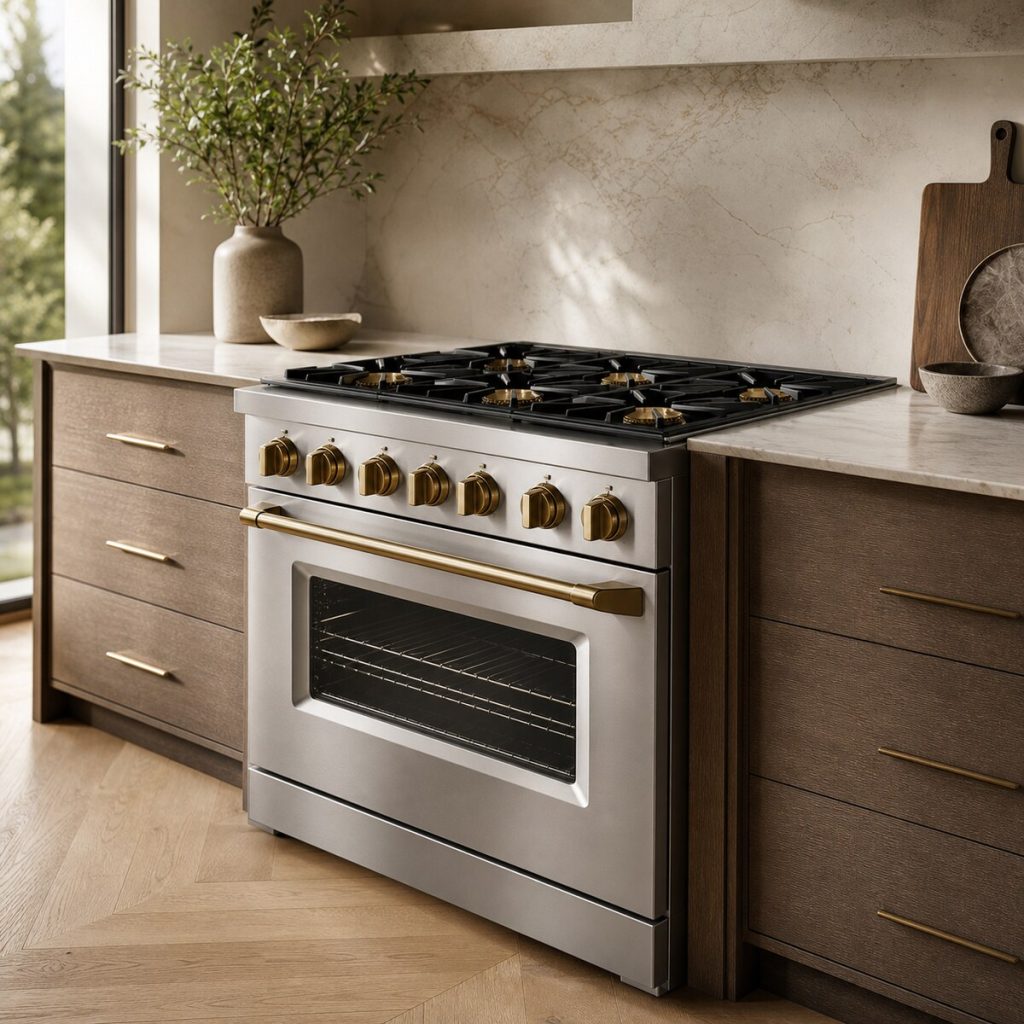
The purpose of Bertazzoni Range How the Main Systems Work is to make your next range decision easier, faster, and better documented. It focuses on safe range observation and on the details a technician actually needs. Read it once before you start so the whole range sequence makes sense.
Where this range guide fits
Use this range guide to capture the model, the setting in use, and the exact result you saw. That combination is what makes a range service request efficient and precise. Getting this right saves real time on the eventual range visit.
The guide fits both quick range questions and more stubborn, recurring faults. In either case it keeps your range effort focused and safe.
Your step-by-step range workflow
- Locate the range model and serial before anything else.
- Record the precise result you observed.
- Capture a clear photo of the range display.
- Attempt one manual-approved range change, then pause.
- Keep every range detail in one document.
Each range step builds on the one before it, so order matters. Preserve a clean baseline and change only one range condition at a time. Patience here pays off when the range is finally diagnosed.
If a step does not apply to your range, note that and move on rather than forcing it. Skipping an irrelevant range check is fine as long as you record why. The aim is an accurate range picture, not a completed form. Think of each entry as a small deposit in your range case file. By the end you will have a range account that speaks for itself.
Common range causes worth knowing
This short list covers what usually drives a range to act up. It helps you turn a range symptom into a focused, well-framed report. Knowing the usual suspects makes your range report sharper.
Common range symptoms owners report include no ignition or no pan detection; uneven oven heat; display changes; continuous clicking; door or cooling-fan behavior.
- Weak or dirty surface igniter
- Faulty spark module or electrode
- Bake, broil, or gas-valve fault
- Failed oven temperature sensor
- Control board or wiring fault
Safety limits during Bertazzoni Range How the Main Systems Work
Stop using the range if you notice a gas odor, smoke, active leaking, sparking, damaged glass, overheating surfaces, or repeated breaker trips. Never bypass a range door switch, safety device, leak control, thermal protection, or combustion part. On any range, panel removal, live-voltage testing, refrigerant work, and gas adjustment are not owner tasks. A hazard signal on a range ends owner troubleshooting immediately.
Prepare this before requesting range help
Give the technician the exact range model and serial from the rating label, plus how and where it is installed. Note any recent range events, attach photos, and describe when the problem shows up. A tidy record is your best range shortcut.
Bertazzoni controls evolve, so match this range guidance to the manual that shipped with your appliance. Do not carry a code meaning from one range to a different model line. Your own range documentation is the reference that counts.
Maintenance habits worth building for a range
A little routine care keeps a range out of the repair queue more often than any single fix. Keep the range clean, follow the manual’s service intervals, and act on small changes before they grow. Most avoidable range calls trace back to skipped, ordinary upkeep. Build these into your routine and the range rewards you.
Documentation and related pages
For deeper reference, pair this range guide with the manufacturer’s own documentation. The links below point to official range resources and to related pages on this site. Follow whichever one fits your range situation best.
Begin at the official Bertazzoni range catalogue, then follow the documentation path that matches your range. If the range is still covered, use Bertazzoni’s own service and treat this guide as background only.
Continue with the Range resource hub, compare the Bertazzoni model directory, or submit details through the Range service page.
Editorial note: this range guide separates confirmed manual instructions from general diagnostic context, and it avoids fixed prices, guaranteed arrival windows, and universal part claims. It offers independent range help and is not affiliated with or authorized by the manufacturer. In every case, a qualified technician makes the final range call.