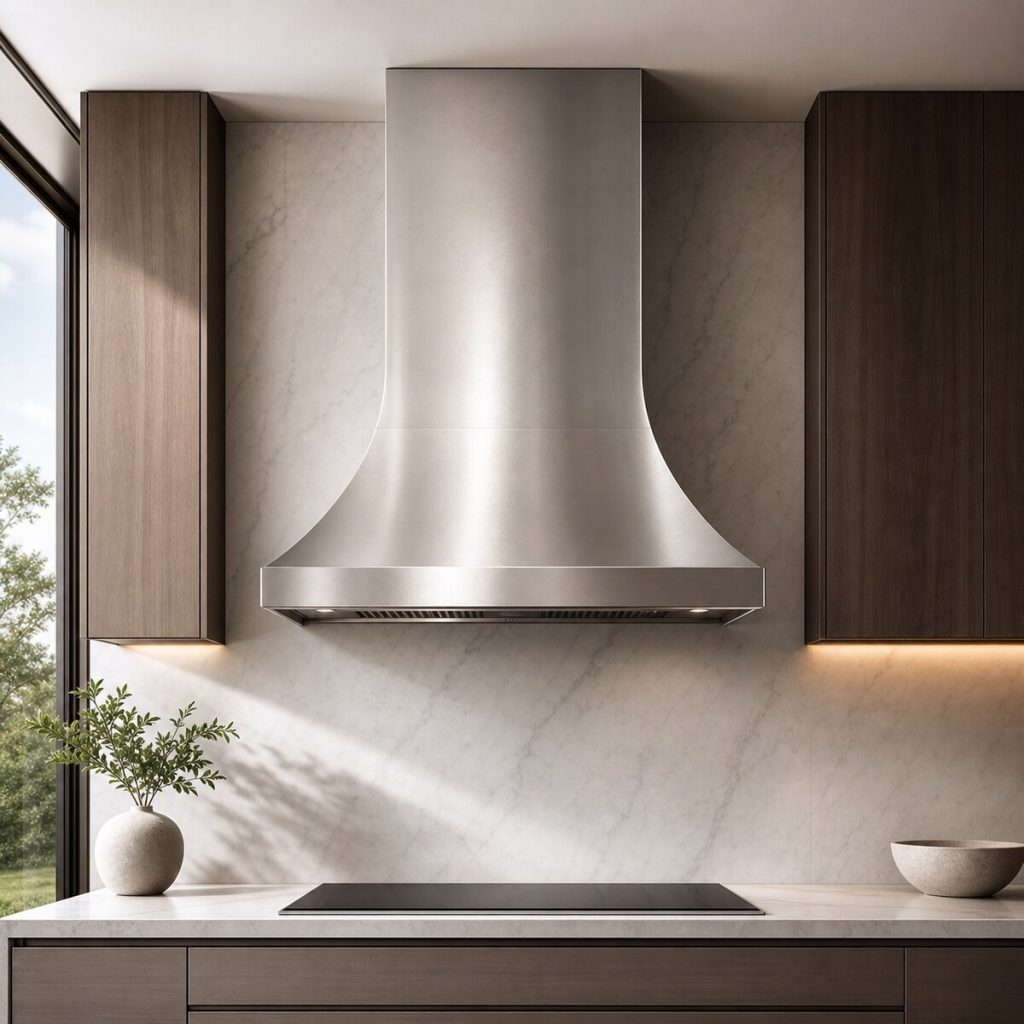
A range hood showing Excessive Noise is giving you a symptom, not a documented error code. Recording Excessive Noise in owner language keeps the record clean before any service request. Codes and symptoms overlap in search, so Excessive Noise deserves its own careful description. Treat Excessive Noise as the starting point of a focused, evidence-based diagnosis.
Symptom or fault code on your range hood
Start by asking whether Excessive Noise is truly a symptom on your range hood or a code. Sorting Excessive Noise correctly keeps a normal door or filter prompt from misleading you. Use the list to fix the meaning of Excessive Noise before proceeding. With Excessive Noise correctly placed, the safe checks below make more sense.
- Symptom: Excessive Noise with no code shown.
- Code: a repeatable letter or number.
- Status prompt: lock, filter, or door reminder.
- Safety event: smoke, sparking, flooding, gas odor.
Build a timeline for Excessive Noise
Build a short timeline of Excessive Noise so its pattern on the range hood is visible. Note when Excessive Noise starts and whether it stays constant or comes and goes. A written sequence turns Excessive Noise from a vague complaint into real evidence. With that written down, Excessive Noise becomes far easier to explain.
- Note Excessive Noise alongside weak capture.
- Note Excessive Noise alongside unexpected blower noise.
- Note Excessive Noise alongside vibration.
- Note Excessive Noise alongside nonworking lights.
- Note Excessive Noise alongside controls that do not respond.
Common causes behind Excessive Noise on a range hood
The parts most often behind Excessive Noise on a range hood are worth knowing in advance. This short list groups the usual mechanical and electrical causes of Excessive Noise. Describing which items you suspect helps a technician confirm Excessive Noise quickly. Sharing your suspicion helps a technician zero in on Excessive Noise.
- Failed blower motor or capacitor.
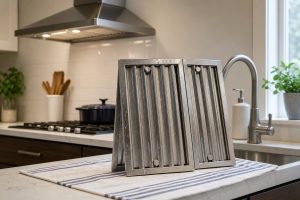
- Grease-clogged filters or ductwork.
- Backdraft damper stuck shut.
- Light socket or LED-driver fault.
- Control switch or board fault.
Safe checks before you call
For Excessive Noise, limit yourself to visible, no-tool checks the range hood guide explicitly permits. Never defeat a safety switch or touch a gas connection because of Excessive Noise. Inspect accessible filters, seals, and vents only where the manual points you for Excessive Noise. Leave sealed panels and wiring alone even if Excessive Noise seems to originate there.
When Excessive Noise needs a technician
Arrange service the moment Excessive Noise touches safety or stops the range hood entirely. Bring the model, serial, and timing of Excessive Noise to the appointment. Describe Excessive Noise precisely so the technician can reproduce and confirm it. A well-documented Excessive Noise usually means a faster, cheaper repair.
What to record before requesting Excessive Noise service
The more precisely you document Excessive Noise, the smoother the range hood service call goes. Record setpoints, cycles, and the exact moment Excessive Noise shows up. Use the checklist to describe Excessive Noise completely and accurately.
- Exact model and serial number.
- Display photo kept separate from behavior.
- Operating mode, cycle, or zone.
- Elapsed time and whether intermittent.
- Safe checks already completed.
- ZIP code and access notes.
How a technician diagnoses Excessive Noise
When diagnosing Excessive Noise, a technician first makes the condition repeatable. They verify the model, then test wiring and sensors related to Excessive Noise. Measured results confirm or rule out each cause of Excessive Noise. The list below reflects how Excessive Noise is usually diagnosed.
- Reproduce the reported condition safely.
- Confirm exact model and revision.
- Inspect wiring, connections, and seals.
- Measure voltages, sensors, or resistances.
- Check each part against measured values.
- Propose a repair from the findings.
Range Hood manual and related resources
Confirm how Excessive Noise is handled for your exact model in the official Bertazzoni range hood catalogue. Use it as a starting point, not proof that every feature applies to Excessive Noise. The manual for your model is the final word on Excessive Noise.
Continue with the Range Hood resource hub, compare the Bertazzoni model directory, or submit details through the Range Hood service page.
Treat this as independent, out-of-warranty guidance on Excessive Noise rather than manufacturer service. Warranty matters involving Excessive Noise belong with the manufacturer’s official service channel. Honest framing of Excessive Noise is part of doing this well.