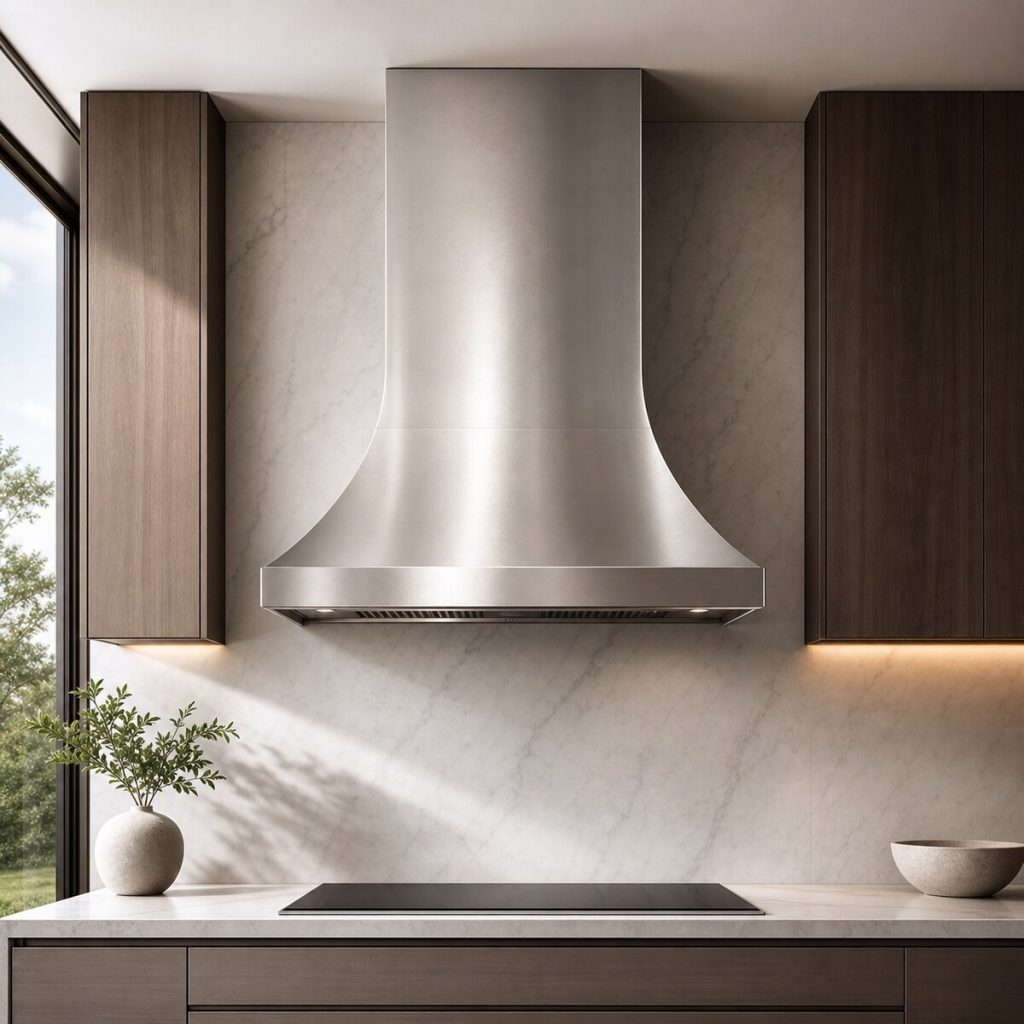
This page is the starting point for a range hood, linking model records, display-code references, and symptom guides. Similar-looking range hood units often run different control logic, so the specific model matters from the outset. Capture the range hood symptom and its timing first, then move on to comparing likely causes.
What this Range Hood hub covers
This range hood hub covers three things: identifying the model, reading the display correctly, and organizing the symptom record. For a range hood, that means linking the rating label to documentation and separating literal codes from described behavior. The hub connects range hood symptom guides, code references, and the model directory in one navigable place. It supports research into a range hood without claiming that one explanation fits every unit.
Common Range Hood problems and causes
Here are the range hood symptoms owners raise most frequently, documented with model and display state. Every range hood problem is treated as a lead, because one sign can come from different parts.
- Weak capture.
- Unexpected blower noise.
- Vibration.
- Nonworking lights.
- Controls that do not respond.
What usually drives those range hood symptoms is listed next, confirmed only on the actual model.
- Failed blower motor or capacitor.
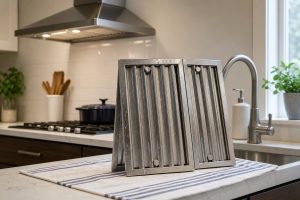
- Grease-clogged filters or ductwork.
- Backdraft damper stuck shut.
- Light socket or LED-driver fault.
- Control switch or board fault.
Codes versus symptoms for Range Hood
A range hood symptom and a range hood error code are related but never the same thing. A range hood code is meaningful only when read exactly and matched to the model family references. Keeping range hood symptoms and codes on separate pages stops meanings from crossing between families.
Documenting a Range Hood issue
Build the range hood record from facts, including the rating-label model, the exact display, and the sequence of events. Photograph the range hood label, note the settings in use, and time how the symptom behaves. Separate what the range hood shows from what you believe is causing it. A methodical range hood account gives the technician a dependable starting point.
- Photograph the model and serial label.
- Copy the exact display or code text.
- Note the selected mode, cycle, or zone.
- State when the symptom first began.
- List only safe manual-approved checks.
- Add the ZIP code and access limits.
When to stop and request Range Hood service
Certain range hood warning signs end owner troubleshooting immediately and call for professional service. If the range hood shows smoke, a burning smell, sparks, or water near wiring, disconnect it safely and stop. No owner should dismantle a built-in range hood, open energized panels, or adjust gas components. Safe range hood steps stay on the outside, and anything deeper belongs to a technician.
Why the exact Range Hood model matters
For a range hood, model-specific detail decides which codes, guides, and parts even apply. Two range hood units sharing a look can differ in sensors, motors, and boards. Recording the exact range hood model keeps the research honest and repeatable. An uncertain range hood model undermines the accuracy the hub is built to provide.
Safe first checks for a Range Hood
An owner can safely rule out a few things on a range hood before service is ever requested. Verify the range hood has power, the outlet and breaker are working, and no demonstration or lock mode is set. Following the manual, clear any visible range hood obstruction, clean a filter, or reseat a door and retest. Keep a note of the range hood checks completed so nothing is duplicated during the visit.
Range Hood questions owners ask
How do I identify my range hood model?
Every range hood carries a rating label with the model and serial number, often on a door edge, frame, or rear panel. Photographing the range hood label is the most reliable way to identify the unit. The range hood model then determines which codes, guides, and parts actually apply.
Is a range hood code the same as a symptom?
No, a range hood code is the literal text shown on the display, while a symptom is the observed behavior. A range hood code must be read exactly and checked against the model documentation. Keeping range hood codes and symptoms separate avoids applying one code to the wrong model.
What should I record before requesting range hood service?
Note the range hood model and serial, the exact display text, the settings in use, and when the symptom began. Photographs of the range hood label and display strengthen the record considerably. A clear range hood timeline helps an independent technician verify the cause faster.
Range Hood resources and references
The links below connect range hood codes, model records, guides, and the service page.
Review documented Range Hood error codes, search the Bertazzoni model directory for a matching range hood, read the repair guide library, or prepare a request on the Range Hood service page.
Confirm current specifications in the official Bertazzoni range hood catalogue, and verify warranty eligibility or authorized range hood service with Bertazzoni directly.
This hub provides independent range hood information and is not Bertazzoni or a claim of factory authorization.