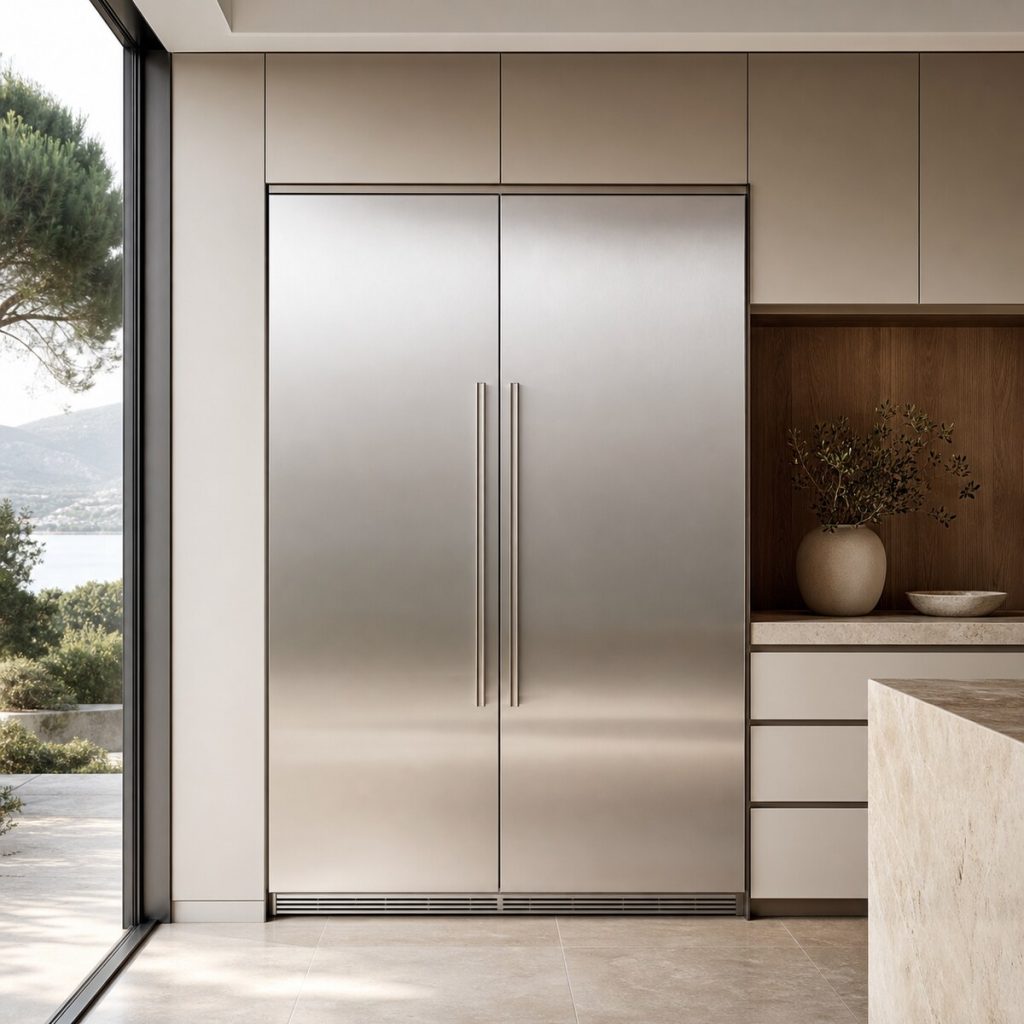
Everything an owner needs to research a refrigerator issue is collected here, from models and codes to guides and safe checks. A refrigerator should be identified by its rating-label model before any cause is considered. Noting exactly what the refrigerator does, and when, makes the rest of the hub far more useful.
What this Refrigerator hub covers
Here, a refrigerator is documented from the model outward, covering label, display state, symptom, and timing. The refrigerator resources connect each symptom to relevant checks and to the codes that may accompany it. Owners can move between refrigerator guides, the model directory, and code references without losing the thread. Every part of the refrigerator hub is built to support verification rather than to promise one answer.
Common Refrigerator problems and causes
These are the refrigerator problems that recur across owner reports, meaningful only with model and display context. A single refrigerator symptom can have several explanations, so each is a direction for diagnosis.
- Temperature drift.
- Fan or airflow changes.
- Frost patterns.
- Door-seal gaps.
- Water or ice interruptions.
These are the failures most often found behind such refrigerator problems, subject to on-site checks.
- Dirty condenser coils restricting heat.
- Failed evaporator or condenser fan.
- Defrost heater or sensor fault.
- Worn or leaking door gasket.
- Faulty thermistor or control board.
Codes versus symptoms for Refrigerator
For a refrigerator, a described symptom and a literal display code are different and are treated separately here. A refrigerator code must be read exactly and verified against the documentation for that model family. Keeping refrigerator symptom guides apart from code pages prevents a code from being stretched across unrelated models.
Documenting a Refrigerator issue
Build the refrigerator record from facts, including the rating-label model, the exact display, and the sequence of events. Photograph the refrigerator label, note the settings in use, and time how the symptom behaves. Separate what the refrigerator shows from what you believe is causing it. A methodical refrigerator account gives the technician a dependable starting point.
- Photograph the model and serial label.
- Copy the exact display or code text.
- Note the selected mode, cycle, or zone.
- State when the symptom first began.
- List only safe manual-approved checks.
- Add the ZIP code and access limits.
When to stop and request Refrigerator service
A refrigerator gives clear signals when it is time to stop and call for help. A gas odor, smoke, sparking, flooding, or repeated breaker trips all mean the refrigerator comes off power safely. No owner should bypass a refrigerator lock or safety sensor or open a gas connection. Everything past manual-approved checks on a refrigerator is a technician job.
Why the exact Refrigerator model matters
For a refrigerator, the model number selects the correct references, not just the name on the label. A single refrigerator symptom can trace to different causes across models and revisions. Recording the exact refrigerator model keeps every later comparison grounded. A vague refrigerator model is a common reason research goes off track.
Safe first checks for a Refrigerator
Some refrigerator problems clear with simple, safe steps that stay well outside the appliance. Make sure the refrigerator has power and that the breaker has not tripped, then confirm no lock or demo setting is engaged. Where the manual allows, clean the refrigerator filter, clear a vent, or reseat a door and try again. Whatever the refrigerator checks show, write it down so the technician starts from your findings, not from scratch.
Refrigerator questions owners ask
How do I identify my refrigerator model?
Every refrigerator carries a rating label with the model and serial number, often on a door edge, frame, or rear panel. Photographing the refrigerator label is the most reliable way to identify the unit. The refrigerator model then determines which codes, guides, and parts actually apply.
Is a refrigerator code the same as a symptom?
No, a refrigerator code is the literal text shown on the display, while a symptom is the observed behavior. A refrigerator code must be read exactly and checked against the model documentation. Keeping refrigerator codes and symptoms separate avoids applying one code to the wrong model.
What should I record before requesting refrigerator service?
Note the refrigerator model and serial, the exact display text, the settings in use, and when the symptom began. Photographs of the refrigerator label and display strengthen the record considerably. A clear refrigerator timeline helps an independent technician verify the cause faster.
Refrigerator resources and references
Keep exploring the refrigerator with the code, model, and guide links here.
Review documented Refrigerator error codes, search the Bertazzoni model directory for a matching refrigerator, read the repair guide library, or prepare a request on the Refrigerator service page.
Confirm current specifications in the official Bertazzoni refrigerator catalogue, and verify warranty eligibility or authorized refrigerator service with Bertazzoni directly.
This hub provides independent refrigerator information and is not Bertazzoni or a claim of factory authorization.