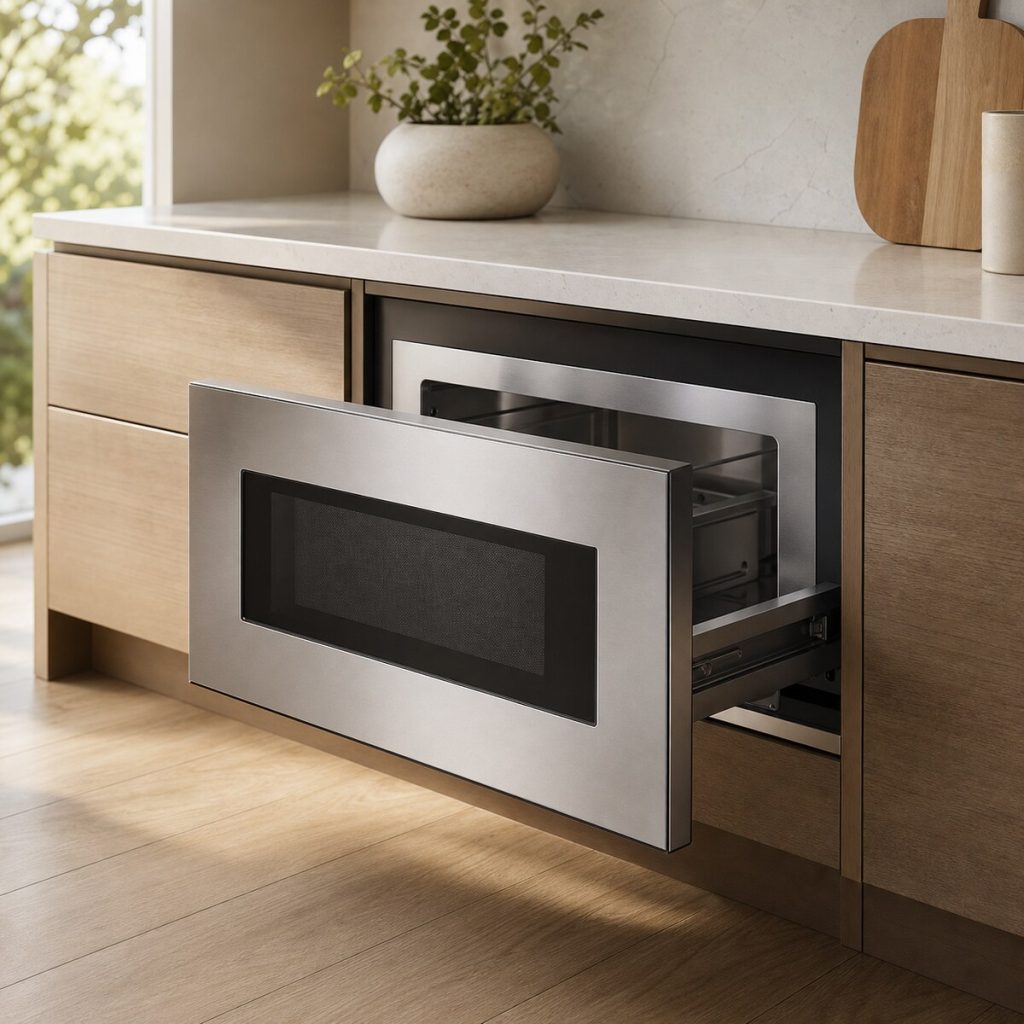
The microwave hub organizes model data, verified codes, observed symptoms, and safe owner steps for quick reference. A microwave is best approached model-first, since near-identical cabinets can hide different parts. Documenting the microwave behavior up front gives every later step something concrete to work from.
What this Microwave hub covers
This section shows what a microwave hub should do: anchor the model, surface the right codes, and frame the symptoms. For a microwave, the rating-label model determines which documentation and which references actually apply. The hub links microwave symptom guides with the model directory so the research stays coherent. It treats each microwave resource as a diagnostic aid, never as a single-cause verdict.
Common Microwave problems and causes
The microwave issues below are the frequent reasons owners begin researching, each tied to model and timing. A microwave symptom points toward possibilities that the model and documentation then narrow down.
- Food remains cold.
- Unit stops early.
- Sparking.
- Door or drawer trouble.
- Display or fan changes.
The likely microwave causes for the symptoms above appear below, pending model verification.
- Faulty door interlock switches.
- Failed magnetron or HV diode.
- Blown thermal fuse.
- Turntable motor fault.
- Control board or membrane fault.
Codes versus symptoms for Microwave
For any microwave, a plain-language symptom differs from the alphanumeric code a control might display. A microwave code needs exact reproduction and verification against the right model documentation. That separation is why microwave symptom and code pages are labeled apart in this hub.
Documenting a Microwave issue
A good microwave record separates observation from assumption at every step. Begin with the microwave model and serial label, then the literal display, then the operating settings. Track when the microwave symptom appears and whether it holds steady or comes and goes. That discipline turns a microwave description into evidence a technician can actually use.
- Photograph the model and serial label.
- Copy the exact display or code text.
- Note the selected mode, cycle, or zone.
- State when the symptom first began.
- List only safe manual-approved checks.
- Add the ZIP code and access limits.
When to stop and request Microwave service
Certain microwave warning signs end owner troubleshooting immediately and call for professional service. If the microwave shows smoke, a burning smell, sparks, or water near wiring, disconnect it safely and stop. No owner should dismantle a built-in microwave, open energized panels, or adjust gas components. Safe microwave steps stay on the outside, and anything deeper belongs to a technician.
Why the exact Microwave model matters
The exact model is the anchor for everything in this microwave hub, because look-alike units differ inside. A microwave code or symptom must be read against the documentation for that specific model. Capturing the microwave rating-label model keeps research tied to references that truly apply. An uncertain microwave model sends owners toward the wrong parts and pages.
Safe first checks for a Microwave
Before calling for service, run the safe microwave checks that stay outside the appliance and follow the manual. Make sure the microwave has power, the breaker is set, and no child-lock or demo mode is interfering. Clear any obvious microwave blockage, clean a filter, or reseat a door, then see whether the symptom changes. Note what each microwave check showed so the record reaches the technician intact.
Microwave questions owners ask
How do I identify my microwave model?
Every microwave carries a rating label with the model and serial number, often on a door edge, frame, or rear panel. Photographing the microwave label is the most reliable way to identify the unit. The microwave model then determines which codes, guides, and parts actually apply.
Is a microwave code the same as a symptom?
No, a microwave code is the literal text shown on the display, while a symptom is the observed behavior. A microwave code must be read exactly and checked against the model documentation. Keeping microwave codes and symptoms separate avoids applying one code to the wrong model.
What should I record before requesting microwave service?
Note the microwave model and serial, the exact display text, the settings in use, and when the symptom began. Photographs of the microwave label and display strengthen the record considerably. A clear microwave timeline helps an independent technician verify the cause faster.
Microwave resources and references
Continue researching the microwave with the references and links gathered below.
Review documented Microwave error codes, search the Bertazzoni model directory for a matching microwave, read the repair guide library, or prepare a request on the Microwave service page.
Confirm current specifications in the official Bertazzoni microwave catalogue, and verify warranty eligibility or authorized microwave service with Bertazzoni directly.
This hub provides independent microwave information and is not Bertazzoni or a claim of factory authorization.