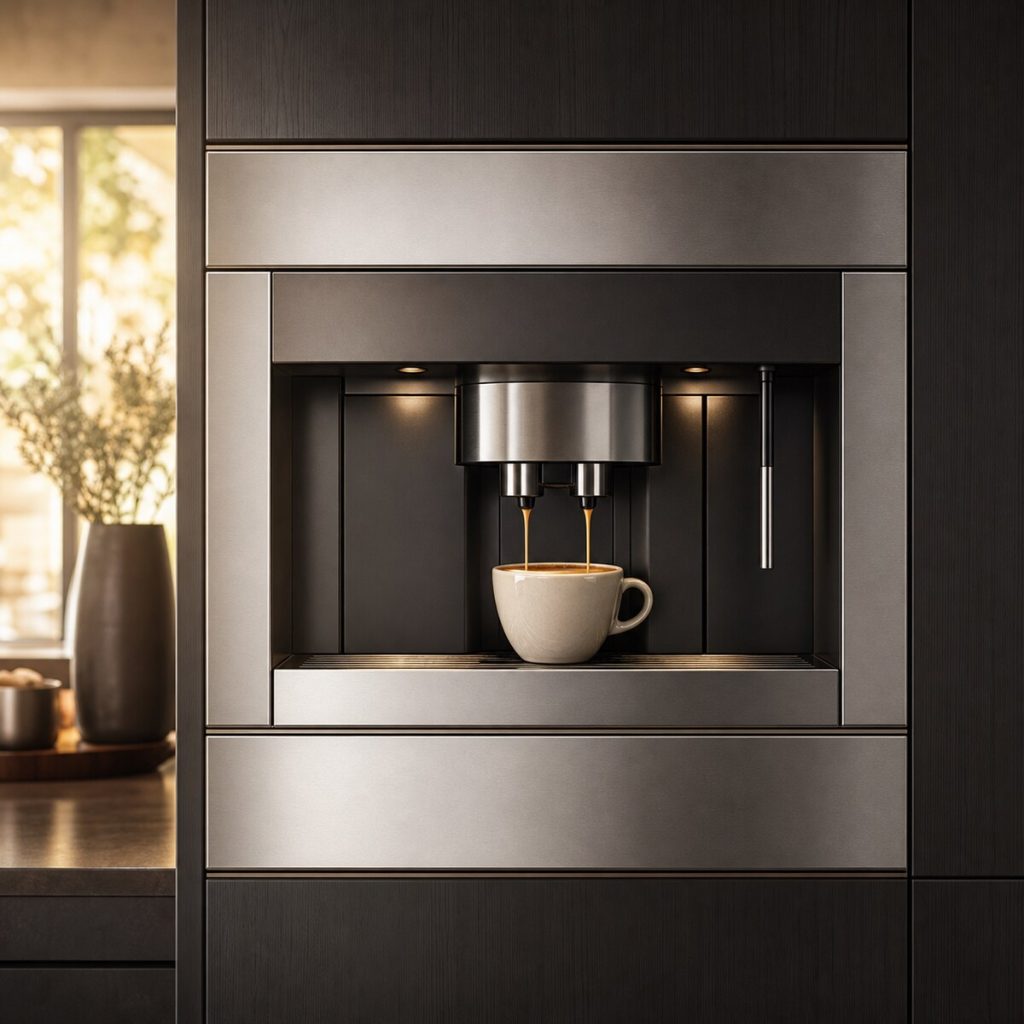
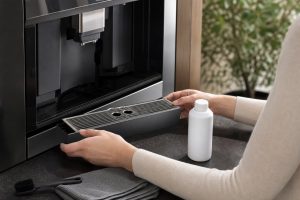
This hub supports a coffee machine from the first symptom to the service request, tying together models, codes, and guides. Because coffee machine units that look the same can differ internally, the exact model leads every lookup. Note how the coffee machine is behaving before comparing causes so the diagnosis stays evidence-based.
What this Coffee Machine hub covers
Here, a coffee machine is documented from the model outward, covering label, display state, symptom, and timing. The coffee machine resources connect each symptom to relevant checks and to the codes that may accompany it. Owners can move between coffee machine guides, the model directory, and code references without losing the thread. Every part of the coffee machine hub is built to support verification rather than to promise one answer.
Common Coffee Machine problems and causes
Common coffee machine problems appear below, each stronger as a record when model, timing, and display are noted. A coffee machine symptom is an observation to investigate, not a finished conclusion.
- No beverage output.
- Cool coffee.
- Noisy grinder.
- Weak water flow.
- Milk or brew-unit trouble.
The likely coffee machine causes for the symptoms above appear below, pending model verification.
- Scale buildup needing descaling.
- Clogged or worn brew unit.
- Grinder burr or motor fault.
- Pump or water-circuit blockage.
- Leaking seals or valves.
Codes versus symptoms for Coffee Machine
Reading a coffee machine symptom and reading a coffee machine code call for different steps and different sources. A coffee machine code should be recorded precisely and confirmed against the documentation for that exact model. This hub keeps coffee machine symptom guides distinct from code references for that reason.
Documenting a Coffee Machine issue
A useful coffee machine report is built from ordered observations, not guesses about the cause. Photograph the coffee machine rating label first, then write down the exact display text and the selected settings. Record how long the coffee machine symptom has lasted and whether it repeats under the same conditions. With that, a coffee machine diagnosis can begin from evidence rather than assumption.
- Photograph the model and serial label.
- Copy the exact display or code text.
- Note the selected mode, cycle, or zone.
- State when the symptom first began.
- List only safe manual-approved checks.
- Add the ZIP code and access limits.
When to stop and request Coffee Machine service
Owner troubleshooting on a coffee machine ends the moment a real hazard appears. Smoke, a gas odor, active sparking, or a burning smell means the coffee machine is disconnected safely first. Sealed or energized coffee machine areas, gas connections, and interlocks are off-limits to owners. From that point, a coffee machine is handled by an independent technician, not the owner.
Why the exact Coffee Machine model matters
For a coffee machine, the model number selects the correct references, not just the name on the label. A single coffee machine symptom can trace to different causes across models and revisions. Recording the exact coffee machine model keeps every later comparison grounded. A vague coffee machine model is a common reason research goes off track.
Safe first checks for a Coffee Machine
There are simple coffee machine checks that are safe when no hazard is present and the manual permits them. Confirm the coffee machine power supply, the breaker, and the control settings, ruling out a lock or setup mode. Inspect the coffee machine for a blocked vent, a full filter, or a door that does not latch, and correct what you safely can. Document the coffee machine steps and outcomes so the technician can pick up where you left off.
Coffee Machine questions owners ask
How do I identify my coffee machine model?
Every coffee machine carries a rating label with the model and serial number, often on a door edge, frame, or rear panel. Photographing the coffee machine label is the most reliable way to identify the unit. The coffee machine model then determines which codes, guides, and parts actually apply.
Is a coffee machine code the same as a symptom?
No, a coffee machine code is the literal text shown on the display, while a symptom is the observed behavior. A coffee machine code must be read exactly and checked against the model documentation. Keeping coffee machine codes and symptoms separate avoids applying one code to the wrong model.
What should I record before requesting coffee machine service?
Note the coffee machine model and serial, the exact display text, the settings in use, and when the symptom began. Photographs of the coffee machine label and display strengthen the record considerably. A clear coffee machine timeline helps an independent technician verify the cause faster.
Coffee Machine resources and references
Follow the coffee machine links here to compare codes, models, and guides.
Review documented Coffee Machine error codes, search the Bertazzoni model directory for a matching coffee machine, read the repair guide library, or prepare a request on the Coffee Machine service page.
Confirm current specifications in the official Bertazzoni coffee machine catalogue, and verify warranty eligibility or authorized coffee machine service with Bertazzoni directly.
This hub provides independent coffee machine information and is not Bertazzoni or a claim of factory authorization.